Low EMF 2‑Person Infrared Sauna: Buying & Comfort Guide
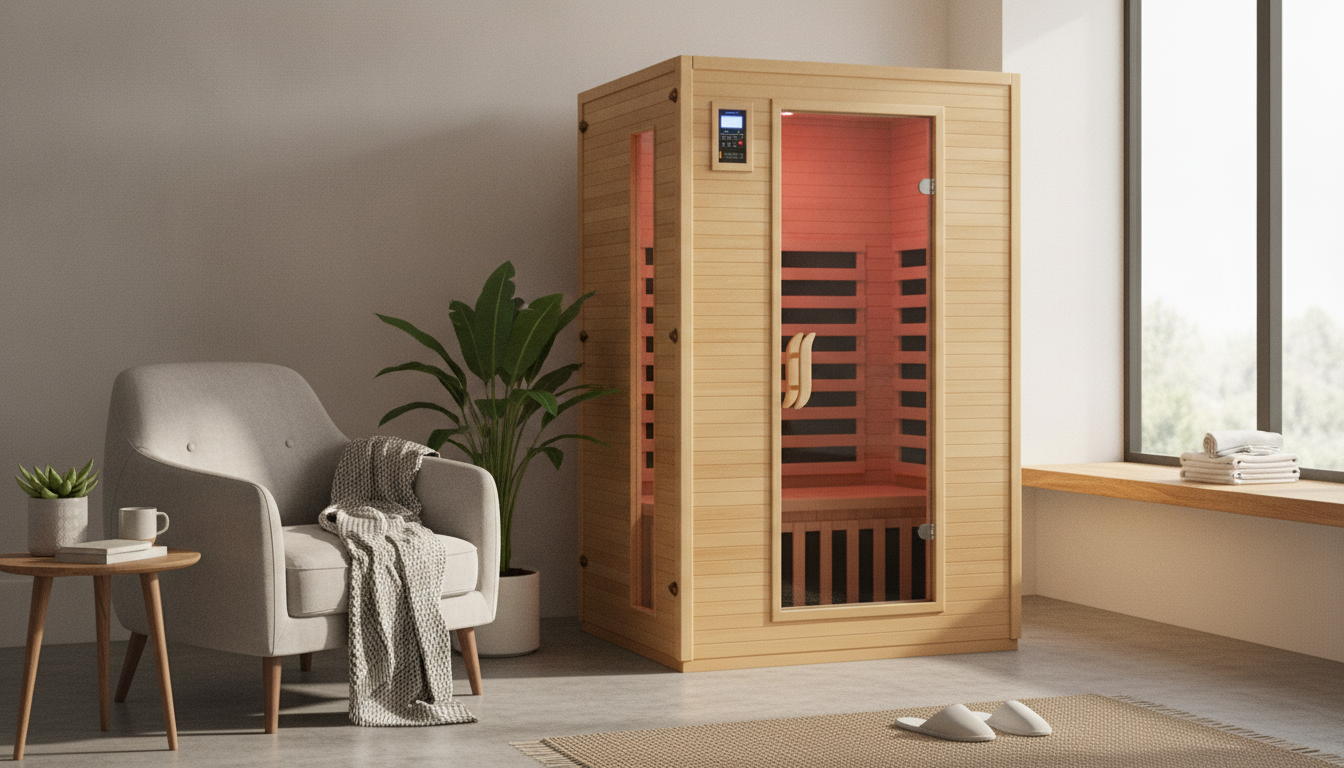
Infrared 2-Person Sauna with Low EMF: Comfort, Heat Quality, and What to Look For
A two-person infrared sauna can be a practical way to build a consistent heat-and-recovery ritual at home—especially when low EMF design is a priority. The best experience comes down to two things: confidence in how “low EMF” is measured, and day-to-day comfort details that make sessions easy to repeat. Below is a straightforward guide to understanding low EMF claims, comparing heat experiences, and choosing a 2-person cabin that fits your space and routine.
What “Low EMF” Means for an Infrared Sauna
EMF is a broad term that typically includes electric fields and magnetic fields produced by powered components like heaters, wiring, control panels, and power supplies. In infrared saunas, EMF levels can vary widely based on design choices such as heater type, wiring layout, and how current is routed through the cabin.
“Low EMF” is most meaningful when it’s backed by specifics: where measurements were taken (distance from heaters, bench height, near the control panel), what units were used (commonly milligauss mG or microtesla µT for magnetic fields), and whether readings reflect normal operation. Lower readings often come from improved grounding, shielding, thoughtful cable routing, and keeping power components away from seated areas.
For peace of mind, look for published testing results and verify that the measurement location reflects where your body actually sits—not a best-case corner or a point far from the heaters. For background on EMF as a health topic, the World Health Organization’s EMF overview is a helpful starting point.
Why a 2-Person Cabin Can Be the Sweet Spot
A 2-person infrared sauna is often the “just right” option: big enough to feel comfortable and functional, but not so large that installation becomes a project. Compared with a 1-person unit, you get noticeably more usable space for stretching your legs, changing posture, or sitting more naturally without feeling boxed in.
For couples or households, two-person capacity makes it easier to share sessions without shoulder-to-shoulder crowding. And if it’s usually a solo ritual, the extra room matters even more at higher heat settings—because comfort is what drives consistency. A cabin you enjoy using is more likely to become part of a routine, whether that’s a pre-workout warm-up, a post-training recovery habit, or a calmer end-of-day decompression session.
Heat Experience: Infrared vs. Traditional Sauna
Infrared saunas warm the body more directly than traditional saunas, which primarily heat the air and surrounding surfaces. Many users find infrared sessions effective at lower air temperatures, while still producing a substantial sweat—often with a more tolerable “breathing feel” than very hot, dry air.
For general safety considerations and who should be cautious with sauna use, see guidance from the Cleveland Clinic. For product-category context on infrared devices, the FDA’s infrared lamps resource is also useful.
Key Features That Affect Everyday Comfort
Heater placement and coverage
Ventilation that’s easy to adjust
Interior ergonomics: bench, back support, legroom
Materials and finish
Controls, timers, and usability
A Practical Comparison Checklist
| Item to Verify | Why It Matters | What to Look For |
|---|---|---|
| Low EMF testing details | Makes “low EMF” comparable between models | Published readings with distance/location and units (mG/µT) |
| Heater layout | Affects warmth uniformity and comfort | Coverage across front/side/back rather than a single zone |
| Electrical needs | Avoids installation surprises | Clear voltage/amperage guidance; circuit recommendations |
| Interior dimensions | Determines real two-person usability | Adequate bench width and legroom for two adults |
| Controls and safety timers | Supports consistent, safer sessions | Timer, temperature control, and accessible emergency stop guidance |
| Warranty & parts availability | Reduces long-term ownership risk | Defined coverage period and responsive service channel |
Using an Infrared Sauna Safely and Comfortably
Spotlight: Infrared 2-Person Sauna with Low EMF
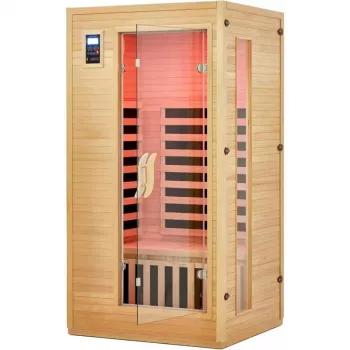
If a two-person cabin and low EMF focus are priorities, the Infrared 2-Person Sauna with Low EMF is designed to support at-home use with a more spacious interior format. It can work well for shared sessions, and it’s also a strong fit for solo users who want room to adjust posture and stay comfortable as heat builds.
Helpful add-ons for a calmer setup
A simple sauna corner can feel more intentional with a couple of practical extras. If your sauna sits near an entryway, the Luxury Non-Slip Indoor Entrance Mat can help keep the area tidier and reduce slip concerns when you’re cooling down. For a structured relaxation habit on non-sauna days, the Your 8-Week Mindfulness MBSR Checklist can complement a recovery-focused routine.
FAQ
How can low EMF levels be verified for an infrared sauna?
Look for manufacturer testing reports that specify measurement location (ideally at seated height), distance from heaters, and units (mG/µT), and confirm readings reflect normal operation. For extra reassurance, consider third-party testing or use an EMF meter with a consistent, repeatable measurement method.
Is a 2-person infrared sauna worth it for one person?
It often is, because the extra space makes it easier to change posture, stretch legs, and stay comfortable as heat builds. The tradeoff is that it typically requires more floor space (and sometimes higher power needs) than a compact 1-person model.
How long should a typical infrared sauna session be?
Many people start around 10–20 minutes and gradually build toward 20–45 minutes depending on temperature, hydration, and comfort. If you feel lightheaded, nauseated, or unwell, end the session and cool down.




Leave a comment